Where to Stay in Italy — Starting with Rome
Cities
Pick a city to reach its stay areas and property guides.
Browse by theme
Already know what you need? Narrow by theme before picking a city.
- Centro Storico Hotels — The Walkable Old City, and the Metro Problem
Five hotels in Rome's old city, all within 710m of the Pantheon and none with a metro station. Two face the Chamber of Deputies, which is why guests talk about the police.
Rome
- Hotels Near Roma Termini — The Only Address the Airport Train Reaches
Seven hotels beside Rome's station compared. All within 638m of the platforms, all 3.36km or more from St Peter's — and the closer to the train, the further from the old city.
Rome
- Hotels Near the Colosseum — Ancient Rome at the Door, the Vatican as an Outing
Five Rome hotels between 223m and 1.28km of the Colosseum, in a district that also reaches Termini. Two of the five sit closer to the station than to the amphitheatre.
Rome
- Spanish Steps and Veneto Hotels — The Widest Spread of Any Rome District
Five Rome hotels where the walk to the Pantheon runs from 563m to 2.38km — a four-fold spread inside one district name. Read the distance, not the label.
Rome
- Trastevere Hotels — The Evening Everyone Recommends, and Two Places to Sleep
We searched 414 Rome properties. Trastevere returned two hotels. Everything else across the river is apartments and B&Bs — so the choice here is genuinely between two.
Rome
- Vatican and Prati Hotels — First Through the Museum Doors, Last to Everything Else
Four Rome hotels on the Vatican side, from 363m to St Peter's. It is the one central district with a metro under it — and the furthest from the airport train.
Rome
Hotel guides
A few from every city. Each city page carries the full list.
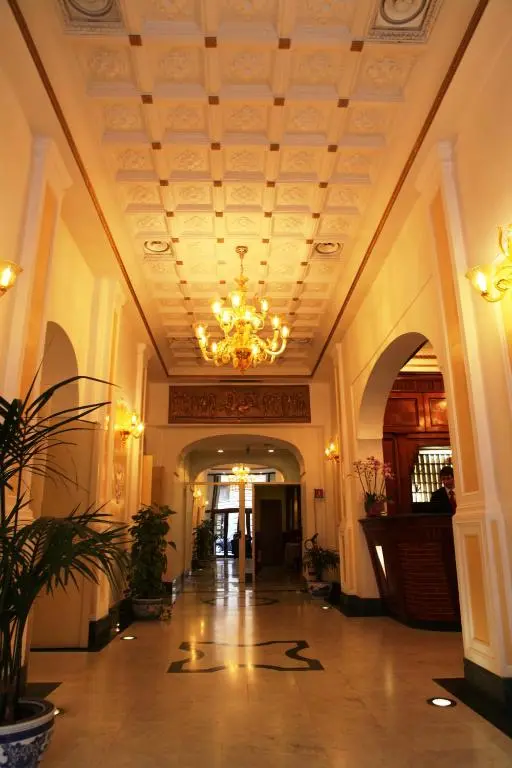
- Augusta Lucilla Palace Hotel — Built for Arriving With Luggage
303m from Termini, and the reviews keep returning to two unglamorous things: room width and a second lift.
Rome
- c-hotels Fiume — Read the Distance Before the District Name
The furthest of the Spanish Steps five from the Pantheon at 2.38km, in a quiet residential street north of Via Veneto, and closest of them to Termini.
Rome
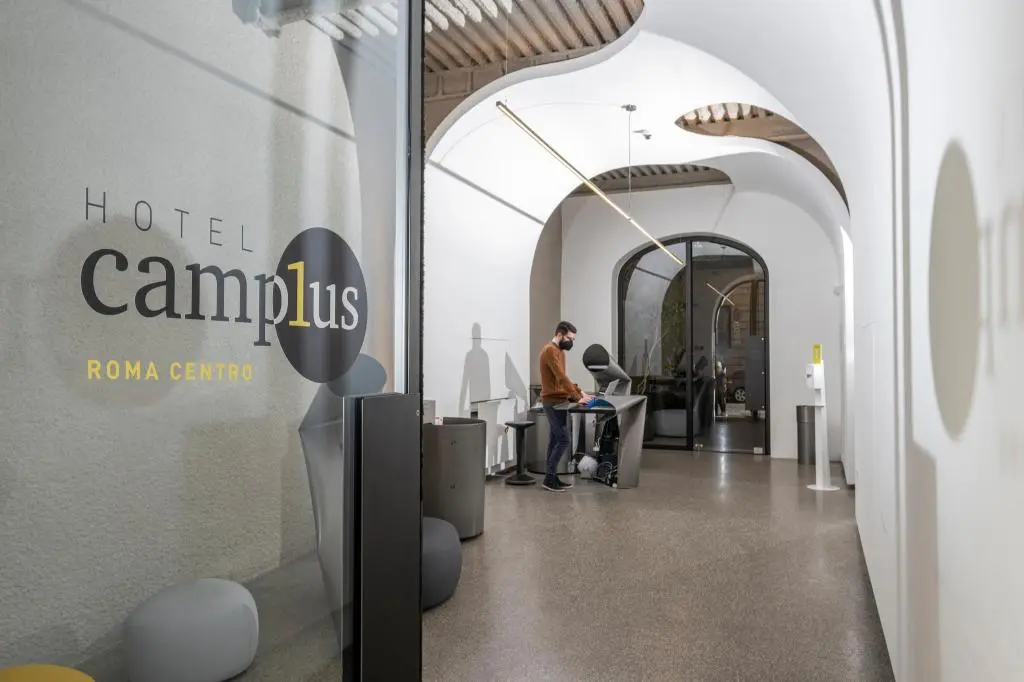
- Camplus Hotel Roma Centro — Check the Check-out Before You Book
442m from Termini, with the strongest cleanliness pattern in the area and a 10:30 check-out that is 90 minutes earlier than its neighbours.
Rome
- Camplus San Pietro — Scale the Vatican Side Does Not Otherwise Have
396 rooms 618m from St Peter's, the largest property in this comparison and the furthest from Termini.
Rome
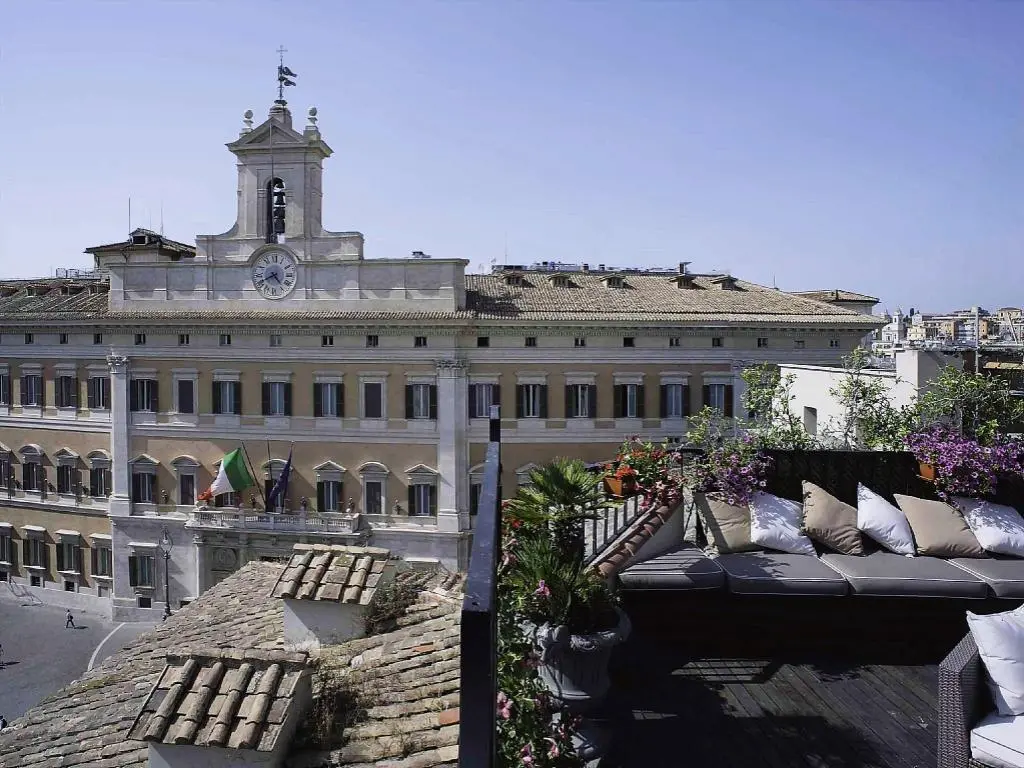
- Colonna Palace Hotel — The Shortest Walk to the Pantheon in Rome
264m from the Pantheon, on Piazza di Monte Citorio facing the Chamber of Deputies. Guests keep raising the same two things: how safe the square feels, and the age of the building.
Rome
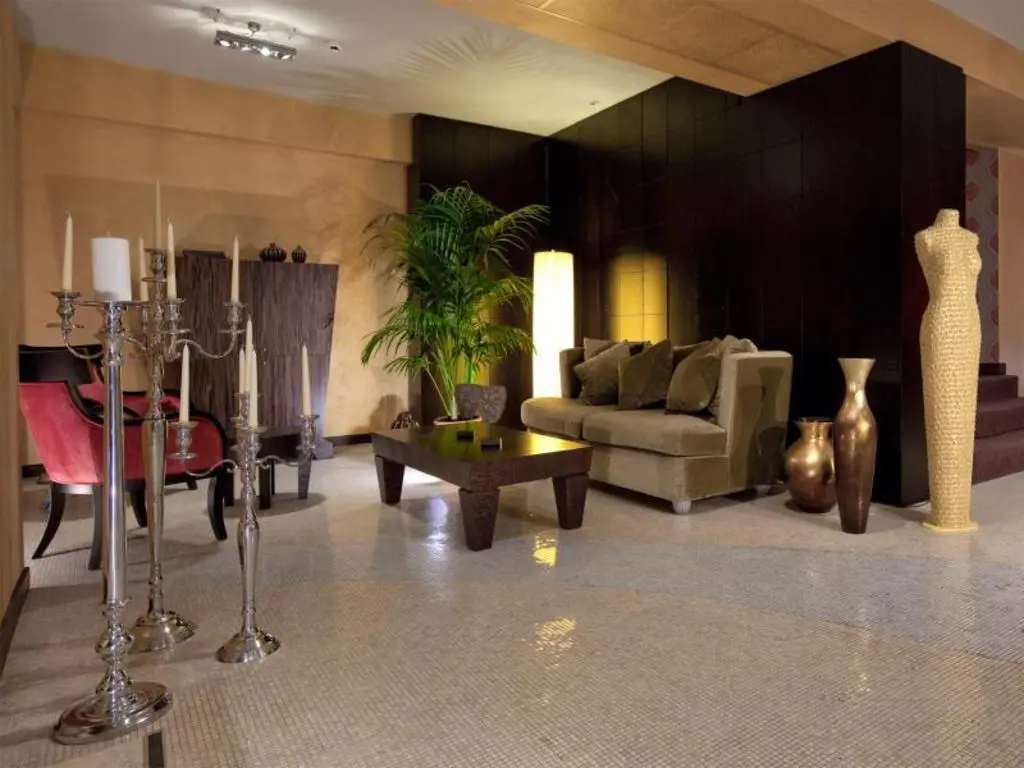
- Donna Camilla Savelli — One of Two Hotels in the Whole Neighbourhood
A converted convent on Via Garibaldi, and one of only two Trastevere properties that a traveller can compare on hotel terms.
Rome

Recently updated
- Viminale Hotel — The Score and the Recent Reviews Do Not Agree
- Twenty One Hotel — The Vatican Side Without the Vatican Crowd
- Trevi Palace Luxury Inn — The Room Assignment Matters More Than the Hotel
- The RomeHello — Walking Away From the Station Is What You Are Buying
- THE INDEPENDENT HOTEL — A Small Hotel Whose Argument Is Upstairs
Italy is a country people arrive at with a city already chosen. What is rarely settled is which part of that city the nights should sit in — and in Rome that decision does more work than it does in most places, because the historic centre is barely served by the metro and the airport is 30km out.
We cover Rome first. One city, done properly, before adding the next. Everything below applies to Rome; when we open Florence or Venice this page will say so.
The city tax is not in the price you booked, and it moves with the star rating
Rome charges a contributo di soggiorno — a per person, per night tax collected by the property at check-out, not by the booking site. Two things about it matter when you are choosing.
It scales with the accommodation category. A five-star room is charged €10 per person per night; a campsite pitch is €3. Hotels sit between those two ends by star rating, and apartments have their own band. So the gap between a three-star and a five-star is wider than the nightly rate alone suggests.
It stops after ten consecutive nights. Longer stays are not charged beyond that.
Two people on five nights therefore pay €100 at a five-star and a fraction of that lower down — on top of what the booking screen showed. That is real money and it is invisible until check-out.
The rates come from a Rome city resolution (No. 255 of 17 July 2023, in force from 1 October 2023). We give the two ends because those are the figures we could confirm; the exact band for each star rating should be checked against the city’s own notice or asked at the property, since it is set by the council and has been revised before.
Only one area reaches the airport without changing trains
Fiumicino is roughly 30km from the centre, and the Leonardo Express runs non-stop to Roma Termini in 32 minutes, every 15 to 30 minutes, for €14 bought through the operator’s own channels (resellers add a booking fee). It runs from Termini 04:50–23:05 and from the airport 05:38–23:27.
The service goes to Termini and nowhere else. From every other area in Rome, the airport means a transfer or a taxi — which is why the station district keeps filling up with travellers who never intended to stay by a station. Whether that trade is worth it is the first question on Where to Stay in Rome.
Check your own flight against those first and last departures. A 06:30 departure from Fiumicino is not a train journey.
The centre has very little metro
Rome has two main metro lines and they skirt the historic core rather than cross it. Archaeology sits under the middle of the city, so the areas people most want to stay in — around the Pantheon, Piazza Navona, Campo de’ Fiori — are reached on foot or by bus, not by metro.
This inverts the usual advice. In most cities “near a metro station” is a shortcut for convenience. In Rome it often means you are not in the part you came to see. The area guides set out which districts are walkable to what, and which ones need a line.
What we use to choose
- Confirmed distances to the fixed points of the city — the Colosseum, the Vatican, Termini, the Pantheon — rather than a general sense of “central”
- What the star rating changes beyond the room, including the tax above
- Guest feedback that recurs, not a single review
- Room configurations that genuinely sleep three or more, which is scarcer here than in Asia
We do not publish live rates. Prices in Rome move sharply with season and with events, so we set out the conditions and send you to the live rate at booking time.
Rome, area by area
Rome divides into six areas, and the split is not about distance from a single centre — it is about what you can reach on foot, and what the airport costs you.